









Iconic Places 2026: The Rise of Transformative Travel and Silent Tourism
In 2026, the global travel landscape has undergone a tectonic shift. The days of ‘over-tourism’ and checking off ‘bucket-list’ landmarks for social media are fading. A new era has emerged: ‘Transformative Travel.’ For the modern traveler, the goal is no longer just to *see* a new place, but to be *changed* by it. We are moving away from the loud, crowded tourist hubs toward ‘Iconic Places’ that offer silence, deep cultural immersion, and a chance to disconnect from the digital grid. Travel has returned to its original purpose: a journey of discovery, both outward and inward.
The Philosophy of Silent Tourism: Reclaiming the Quiet
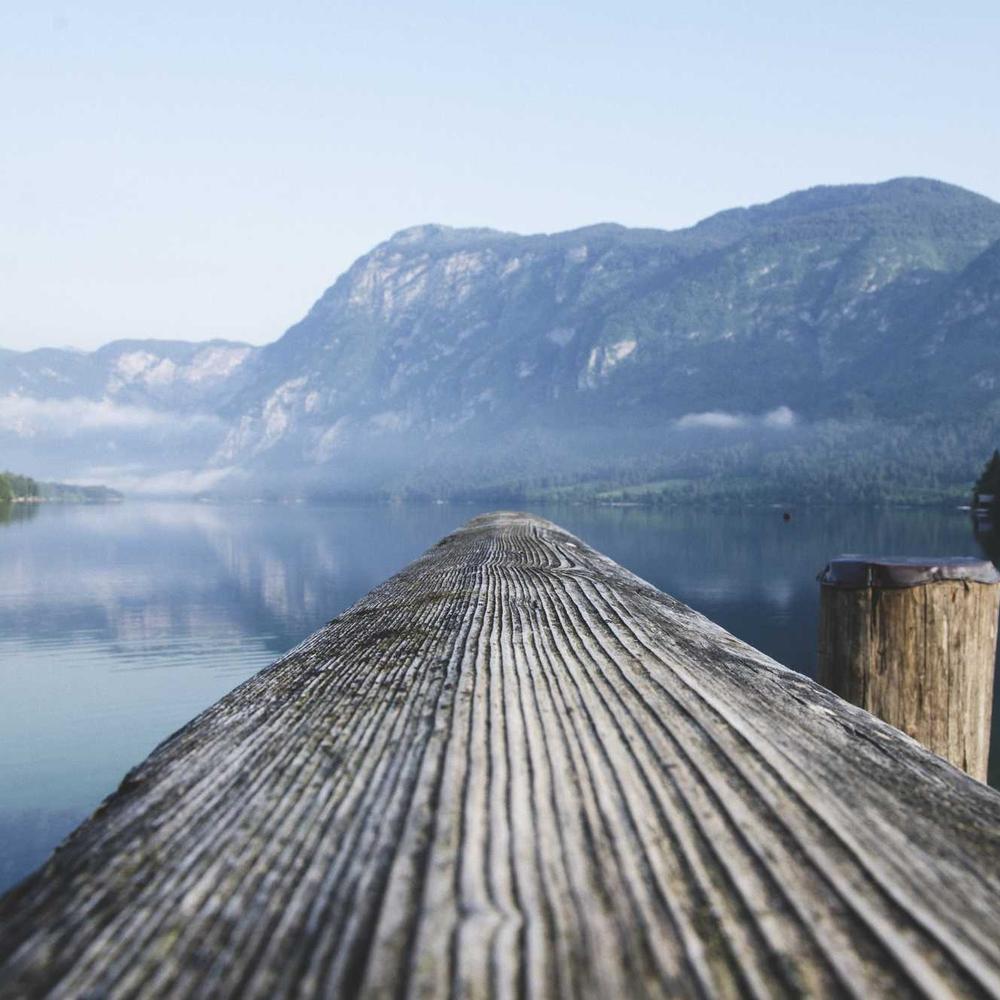
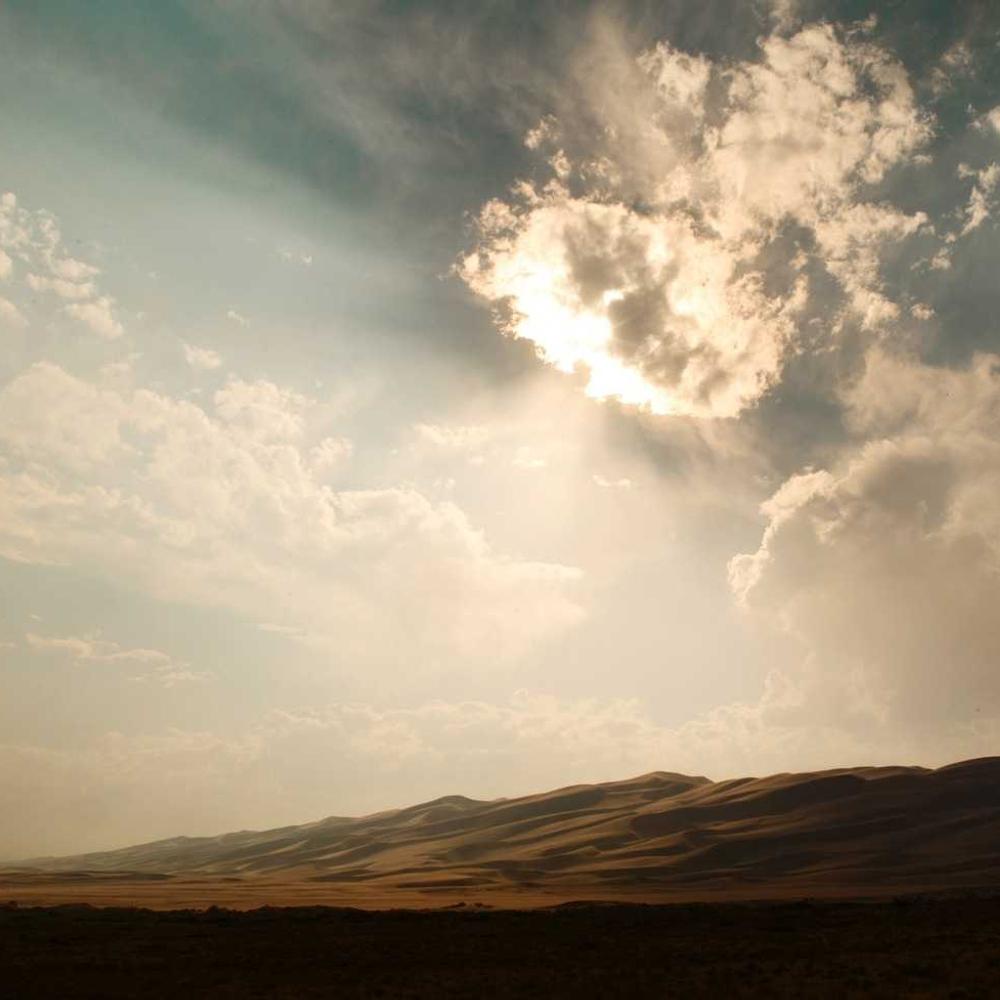
As our daily lives have become more digitally saturated, the ultimate luxury in travel is now ‘silence.’ This has given rise to ‘Silent Tourism’-a movement focused on destinations that offer total acoustic and digital peace. We are seeing a surge in interest for high-end remote lodges in the Arctic, mountain retreats in the Himalayas, and ‘off-grid’ villas in the Mongolian steppes. These are iconic places not because of their architecture, but because of their atmosphere. The ‘luxury’ here is the absence of noise, the absence of Wi-Fi, and the presence of raw, unfiltered nature. It is travel as a form of therapy.
1. The Arctic Frontier: Luxury at the Edge of the World
The Arctic has become one of the most iconic destinations of 2026. As the lower latitudes grapple with rising temperatures, the ‘Great North’ offers a pristine, cool sanctuary. But the new Arctic travel is different. It’s about ‘Low-Impact Luxury.’ We see the rise of floating eco-hotels that leave zero footprint on the fragile ice and glass igloos that allow travelers to witness the Aurora Borealis from their beds.
The experience is about ‘Deep Connection.’ Travelers participate in ‘citizen science’ projects, tracking wildlife or monitoring ice melt alongside researchers. This ‘purpose-driven’ travel adds a layer of meaning to the journey. You aren’t just an observer; you are a participant in the preservation of the landscape. The iconic nature of the Arctic lies in its fragility and its overwhelming scale, providing a perspective on our place in the world that no city can offer.
2. Indigenous Immersion: The New Cultural Gold Standard
For decades, cultural tourism was often superficial-a quick dance performance or a photo op with locals. In 2026, ‘Iconic Places’ are defined by the depth of their human connection. We are seeing a massive shift toward ‘Indigenous Immersion’ programs in places like the Amazon Basin, the Australian Outback, and the African Savannah. These programs are owned and led by the local communities, ensuring that the tourism is ethical and the benefits stay local.
Transformative travel in these regions involves living alongside local tribes, learning ancient tracking techniques, or participating in traditional healing ceremonies. It is ‘Slow Travel’ at its best-staying in one place for two weeks rather than visiting five cities in ten days. This deep immersion builds empathy and provides a profound understanding of different ways of being. In 2026, the most ‘iconic’ souvenir you can bring home is a new way of seeing the world.
3. The Rebirth of the Grand Train Journey
In the age of ‘Flight Shame’ and the desire for slower, more intentional experiences, the Grand Train Journey has made a massive comeback. Iconic routes like the Orient Express (reimagined for the 2020s) and the Rovos Rail in Africa have become the ultimate way to see the world. Traveling by rail is the literal embodiment of ‘the journey is the destination.’
These modern trains are ‘land yachts’-offering Michelin-star dining, full-sized spa suites, and observation cars with panoramic glass walls. But the real luxury is the ‘cinematic experience’ of the landscape. Watching the world slowly change outside your window-from the rolling vineyards of France to the snow-capped peaks of the Alps-provides a sense of geography and transition that is lost in air travel. It allows the mind to ‘catch up’ with the body, ensuring that you arrive at your destination fully present and ready to explore.
4. Bio-Architecture: Hotels that Breathe
The ‘Iconic Places’ of 2026 are also defined by their architecture, but it’s a new kind of architecture: ‘Bio-Architecture.’ We are seeing the rise of ‘Regenerative Resorts’ that are built using local, natural materials and integrated into the landscape so perfectly that they are almost invisible. These hotels don’t just ‘look’ green; they are functional parts of the ecosystem.
Think of a resort in the jungles of Costa Rica built entirely from sustainably harvested bamboo, utilizing natural ventilation instead of air conditioning, and producing its own electricity and food. Or a luxury hotel in the desert of Jordan that uses ancient ‘wind tower’ technology for cooling. These buildings are iconic because they prove that we can live in absolute luxury while being in total harmony with our environment. They are ‘living laboratories’ for a future where humanity and nature thrive together.
Conclusion: The Journey Inward
Travel in 2026 is no longer an escape *from* life, but an investment *in* life. The iconic places we choose to visit are the stages upon which we perform our own personal transformations. Whether it’s the silence of the Arctic, the ancient wisdom of an indigenous tribe, or the slow pace of a transcontinental train, the goal is to return home with a clearer mind, a fuller heart, and a deeper sense of responsibility for the planet. In the end, the most iconic place of all is the one you find within yourself after a journey that truly matters.