Mastering Minimalist Luxury: The Art of Less but Better in Modern Interior Design

Mastering Minimalist Luxury: The Art of Less but Better in Modern Interior Design

Mastering Minimalist Luxury: The Art of Less but Better in Modern Interior Design

For decades, the concept of luxury in interior design was synonymous with opulence, excess, and a ‘more is more’ philosophy. From heavy velvet drapery to gold-leafed furniture, the goal was to showcase wealth through quantity and visible grandeur. However, as we move through 2026, a radical shift has taken place. The new gold standard of high-end living is ‘Minimalist Luxury’-a philosophy rooted in the German phrase ‘Weniger, aber besser’ (Less, but better). This approach isn’t about having nothing; it’s about having exactly the right things, executed with impeccable craftsmanship and intentionality.

The Philosophical Shift: Why Minimalism is the New Wealth

Modern luxury is no longer about what you can buy; it’s about what you can afford to leave out. In an increasingly noisy and cluttered world, the ultimate luxury is a quiet, organized, and intentional space. Minimalist luxury is the visual manifestation of mental clarity. It requires a high degree of confidence to leave a wall bare or a floor uncovered. It tells the viewer that the materials present are so superior that they don’t need ornamentation to justify their existence. This shift from ‘showing’ to ‘being’ is what defines the premium homes of the current era.

1. Materiality: The Hero of the Space

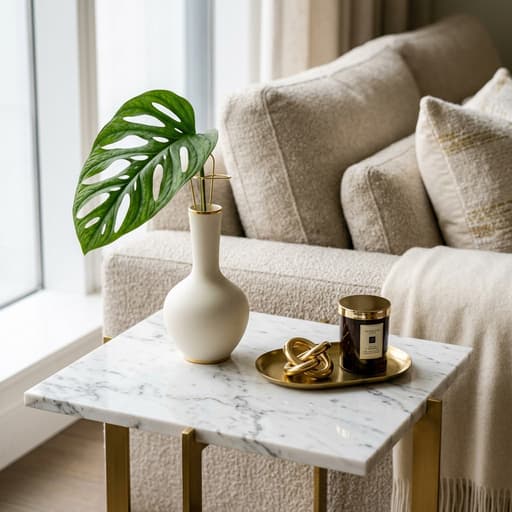
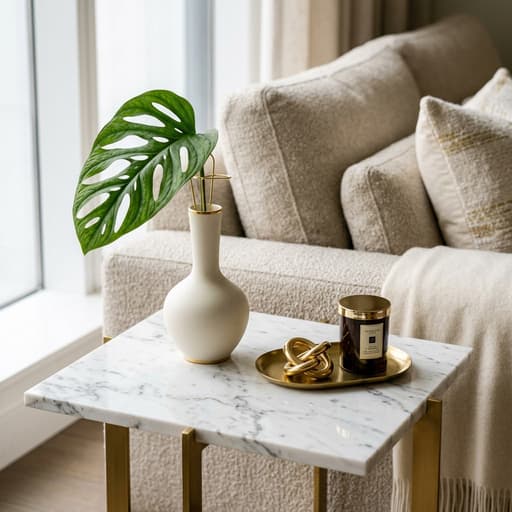
In a minimalist luxury home, the materials are the stars of the show. When you remove the distractions of patterns, ruffles, and decorative knick-knacks, the natural beauty of stone, wood, and metal takes center stage. A massive, single-slab marble kitchen island isn’t just a workspace; it’s a piece of ancient geology that brings a sense of timelessness to the room. The ‘luxury’ element comes from the rarity and the finish of these materials.

Think of honed Carrara marble versus polished granite. The honed finish is subtle, matte, and sophisticated-it invites touch. Similarly, wide-plank European oak flooring with a natural oil finish provides a warmth and a tactile experience that synthetic materials can never match. In this design language, we focus on ‘sensory variability’-the way light plays off a brushed brass faucet versus a matte black cabinet. Each material is chosen for its longevity and how it will age, developing a patina that only adds to its value over time.
2. The Architecture of Light

One of the most expensive things you can add to a room is natural light, but in minimalist luxury, we go beyond just windows. We treat light as a physical building material. The goal is to create ‘luminous layers’ that can change the mood of a room from functional to sanctuary at the flip of a switch. High-end design utilizes recessed architectural lighting-fixtures that are hidden within the ceiling or behind joinery-to wash walls in a soft glow without the source of the light ever being visible.

Shadow is just as important as light in this aesthetic. The interplay of light and shadow creates depth in a neutral-toned room. By using floor-to-ceiling linen sheer curtains, you can filter sunlight into ‘soft-focus’ beams that make the air itself feel tangible. This attention to the invisible-the atmosphere created by light-is a hallmark of a truly premium interior. It’s the difference between a room that is simply illuminated and a room that is ‘felt.’

3. The Psychology of Curation: The 80/20 Rule

A common misconception is that minimalism is cold or impersonal. On the contrary, minimalist luxury is deeply personal because every single item in the room has been vetted for its utility and its emotional resonance. We apply a strict curation process: 80% of the room should be ‘breathing space’ (negative space), and 20% should be high-impact, high-quality pieces.

Instead of a gallery wall with 15 small frames, choose one oversized, museum-quality piece of art. Instead of a sectional sofa with dozens of throw pillows, choose one sculptural, perfectly proportioned Italian leather sofa. This ‘hero piece’ strategy creates a focal point that anchors the room. It gives the eye a place to rest and appreciate the form and craftsmanship of the furniture. When a room isn’t crowded, each object is allowed to breathe, and its beauty is amplified. This is where the ‘luxury’ is found-in the respect given to each individual piece of design.

4. Bespoke Joinery: The Hidden Foundation

Minimalism requires a place for everything, and that’s where bespoke, built-in joinery comes in. In a high-end minimalist home, storage is invisible. We design entire walls of cabinetry that blend seamlessly into the architecture, often without handles, using ‘push-to-open’ technology. This hides the clutter of daily life-electronics, books, kitchen appliances-maintaining the visual serenity of the space.

Custom joinery allows us to tailor the home to the specific habits of the owner. A hidden coffee station that reveals itself only in the morning, or a home office that folds away into a sleek oak wall at 6 PM. This level of customization is the ultimate luxury; it’s a home that functions as a silent, efficient partner in your daily life, removing friction and adding a sense of ease to every movement.

Conclusion: A Legacy of Calm

Mastering minimalist luxury is a journey of refinement. It’s about stripping away the non-essential to reveal the extraordinary. When you invest in fewer, better things, you aren’t just decorating a house; you are curating a legacy. You are creating a space that won’t feel ‘dated’ in five years because it isn’t based on a trend-it’s based on the timeless principles of quality, light, and balance. In the end, the most luxurious thing we can own is a sense of peace, and a minimalist home is the perfect vessel for that peace.