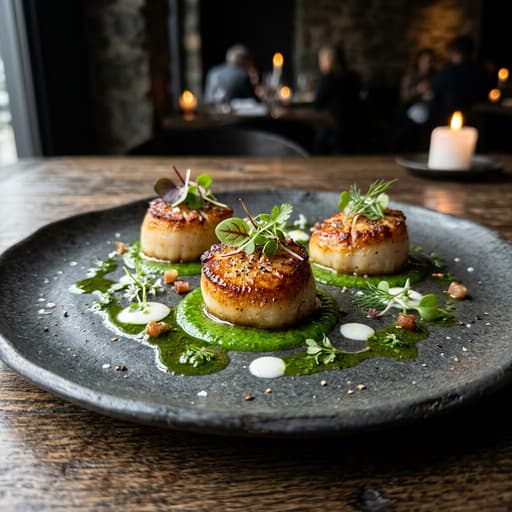
The Art of Slow Food: Why Rushing Your Meals is Killing Your Metabolism
In our fast-paced world, eating has become an inconvenience to be handled as quickly as possible. We eat in front of screens, in our cars, or standing up at the counter. But this ‘fast eating’ culture is doing more than just depriving us of pleasure-it’s actively sabotaging our metabolic health and digestion.
1. The Cephalic Phase of Digestion
Digestion doesn’t start in your stomach; it starts in your brain and mouth. When you see, smell, and slowly chew your food, your brain signals your stomach to produce the necessary enzymes and acids. When you rush, you skip this ‘cephalic phase,’ leading to bloating, indigestion, and poor nutrient absorption.
2. The 20-Minute Satiety Gap
It takes approximately 20 minutes for your stomach to send a signal to your brain that it is full. When you wolf down a meal in 5 minutes, you’re almost guaranteed to overeat because your brain hasn’t had the chance to register the calories. Eating slowly is the simplest and most effective weight management tool available.
3. Mindful Eating and Stress Reduction
Eating quickly is often a symptom of being in a ‘fight or flight’ state. By consciously slowing down, you force your nervous system into the ‘rest and digest’ (parasympathetic) mode. This lowers cortisol levels and allows your body to effectively use the energy from your food instead of storing it as fat.
4. Reconnecting with Flavor
Slow food is a sensory experience. When you slow down, you begin to notice the subtle textures and complex flavors of your meals. This leads to psychological satisfaction, meaning you’re less likely to go looking for ‘something sweet’ immediately after your meal because you feel genuinely fulfilled.
Conclusion
Slowing down is an act of self-respect. By giving yourself the time to eat properly, you’re improving your health, your weight, and your overall enjoyment of life. Put down the phone, pick up a fork, and rediscover the joy of eating.